How the diamond ring was sold
A Habsburg archduke, a 1940s copywriter and a vein that does not exist: how one ring in 1477 became one of the great advertising ideas of the last century.
Ask most people when the diamond engagement ring began and they will guess at something ancient. The real answer comes in two parts, five centuries apart: one royal ring in the fifteenth century, and one sentence written by an advertising copywriter in 1947.
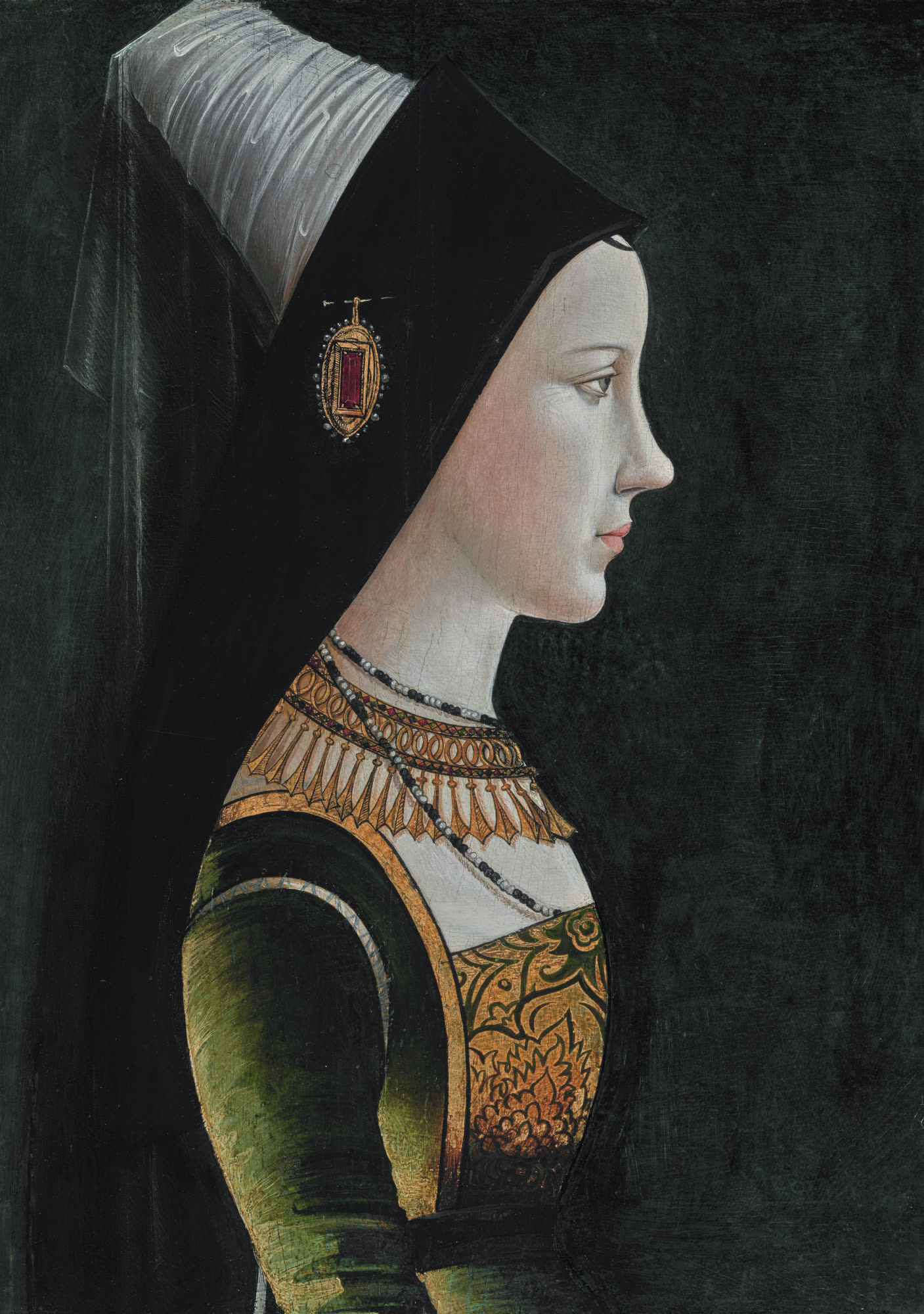
A ring for Mary of Burgundy
In 1477, Archduke Maximilian of Austria, later Holy Roman Emperor, married Mary of Burgundy, heir to one of the richest courts in Europe. He was eighteen; she was twenty. The diamond ring he gave her is usually described as the first recorded diamond engagement ring.
It did not start a fashion for everyone. For centuries afterwards, diamonds remained what they had always been: a jewel for royalty and the very rich, not a promise every couple was expected to make.
Rings before diamonds
Rings had marked a promise long before 1477. Romans gave betrothal rings. In Tudor and Stuart England, couples exchanged posy rings, plain bands engraved on the inside with a short verse. When Queen Victoria and Prince Albert became engaged in 1839 (she proposed, as a reigning queen had to), he gave her a gold serpent ring set with an emerald, the snake a symbol of eternal love.
A vein that does not exist
The ring goes on the fourth finger of the left hand because of an old belief that a vein ran from that finger straight to the heart, the vena amoris, or vein of love. It is a lovely idea and anatomically untrue: every finger has veins that lead back to the heart in exactly the same way. The custom simply outlived the reason for it.
Four words from 1947
The diamond ring as most of us know it was built by advertising. In 1938 De Beers, which controlled most of the world's diamond supply, hired the agency N. W. Ayer to make diamonds the expected gift for an engagement. The agency placed stories about romance and diamonds in newspapers and magazines, and film stars were photographed with them.
In 1947 an Ayer copywriter, Frances Gerety, wrote the line that has appeared in De Beers advertising ever since: A Diamond Is Forever. Advertising Age later named it the slogan of the twentieth century.
The tradition many people think is ancient was largely written in the twentieth century.
The ring you buy yourself
The story has a newer chapter. In the early 2000s the diamond industry began to promote the right-hand ring: a diamond a woman buys for herself, for no one's proposal but her own. Today more and more women buy jewellery for themselves, to mark a promotion, a birthday or nothing at all.
None of this history is a reason to love or to reject the custom. A ring means what the people wearing it decide it means. It is simply worth knowing which parts of the story are old, and which were written by an agency.