The Adorned Age Follow on Instagram

The Adorned Age

A journal of jewellery, women and culture.

A gilded relief of a leopard's head with whiskers and bared teeth, set into a grey stone pillar

What the marks on silver mean

Knowledge · 6 minute read

Britain has tested precious metal for more than seven centuries. Here is how to read the tiny marks, and what a 925 stamp on its own does not tell you.

Also in this issue
A fifteenth-century portrait of a young woman in a dark dress and tall pointed headdress, hands folded

How the diamond ring was sold

History · 5 minute read

A Habsburg archduke, a 1940s copywriter and a vein that does not exist: how one ring in 1477 became one of the great advertising ideas of the last century.
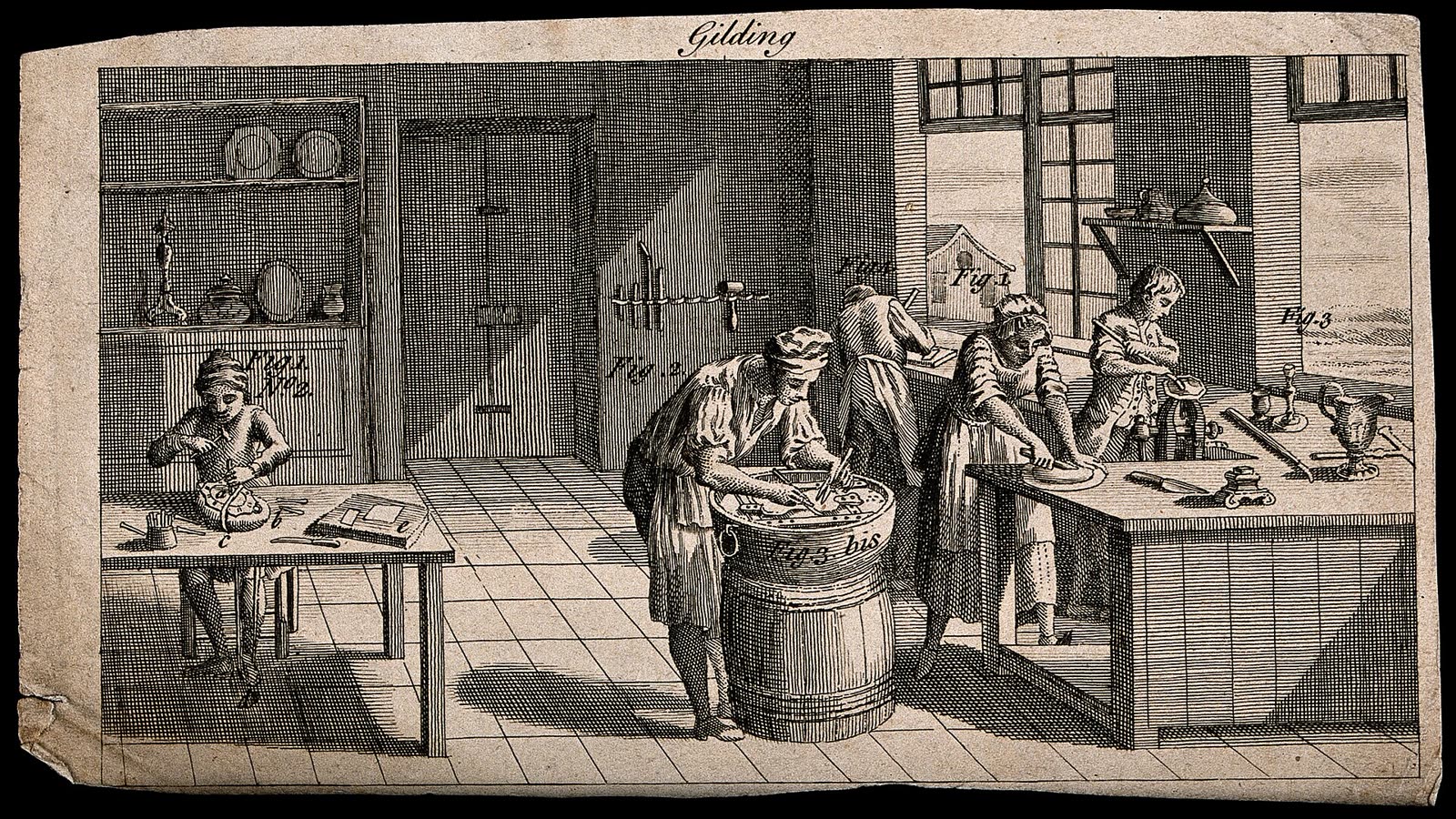
An old engraving titled Gilding: craftsmen at benches and a barrel, working on dishes and cups in a tiled workshop

Plated, vermeil or solid gold?

Knowledge · 6 minute read

Three words, three very different pieces of jewellery. What each one means in the UK, what the rules say about vermeil, and why some pieces turn your skin green.
Myth or fact?

Jewellery has collected more good stories than almost any other subject, and not all of them are true. Judge six of them, then see what the records say.

  • Diamond engagement rings are an ancient tradition.
    Mostly myth. One famous diamond ring dates from 1477. The custom most people know was built by advertising from 1938, and the line A Diamond Is Forever was written in 1947. Source: Sotheby’s
  • A vein runs from your ring finger straight to your heart.
    Myth. The vena amoris is an old belief. Every finger has veins that return to the heart in the same way. Source: Wikipedia: Vena amoris
  • Cleopatra dissolved a pearl in vinegar and drank it.
    Unproven. The story comes from Pliny the Elder, writing about a century later. Acid does dissolve pearl, but slowly, and most historians treat the tale as Roman storytelling. Source: The History Blog
  • In ancient Rome, whether you could wear pearls depended on your rank.
    Fact. The historian Suetonius records that Julius Caesar allowed pearls only to people of a certain position and age, and only on certain days. Source: Suetonius, Life of Julius Caesar, 43
  • Jet, the black stone of Victorian mourning, is a mineral.
    Myth. Jet is fossilised wood, most famously from Whitby on the Yorkshire coast. Queen Victoria’s long mourning for Prince Albert made it the fashion. Source: Wikipedia: Jet
  • In the UK, some silver jewellery can legally be sold as silver without a hallmark.
    Fact. Silver pieces under 7.78 grams are exempt from hallmarking under the Hallmarking Act 1973. Source: Hallmarking Act 1973, Schedule 1
An eighteenth-century portrait of a young woman in a lace cap wearing a pearl necklace

Stories

History
  • How the diamond ring was soldIssue one
  • When pearls were the law in RomeComing soon
  • Black for forty years: Victoria and Whitby jetComing soon
  • The colours the suffragettes woreComing soon
  • The cocktail ring and the 1920sComing soon
Knowledge
Style
  • Gold or silver: what really changesComing soon
  • Layering necklaces without the tangleComing soon
  • Mixing metals, and why it works nowComing soon
  • The case for one signature pieceComing soon
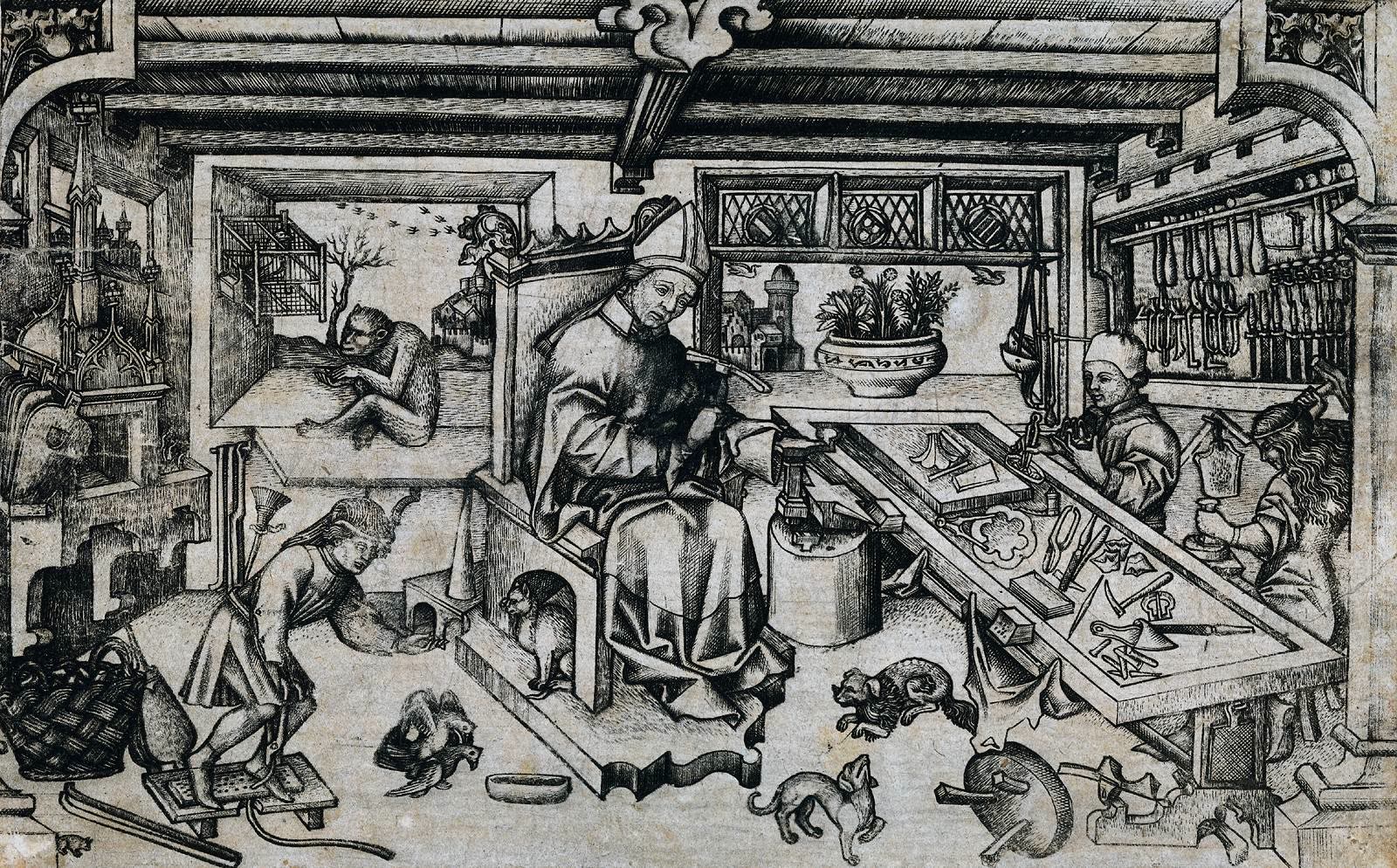
A fifteenth-century engraving of a goldsmith’s workshop, crowded with apprentices, tools and animals

A letter from the editors

The Adorned Age is a journal about what jewellery says about us: about women, and about the times they lived in. We write about history, about materials and about style, and we try to be useful. How to read a hallmark. What vermeil really means. Why a ring sits on the finger it does.

Every story ends with its sources. When a famous tale cannot be proven, we say so. When something is a myth, we call it one, even when the myth is lovely.

The Adorned Age is published by Steric London, a jewellery brand. Most of what we write has nothing to do with what Steric sells, and when a story does show a Steric piece, we will say so plainly.

Write to us with a question, a correction, or the story of a piece you wear.

The editors

The Adorned Age