What the marks on silver mean
Britain has tested precious metal for more than seven centuries. Here is how to read the tiny marks, and what a 925 stamp on its own does not tell you.
Pick up almost any piece of British silver and turn it over. Inside a ring's band, on the back of a pendant, beside a clasp, you may find a short row of tiny marks struck into the metal. They are not decoration and they are not a logo. They are a hallmark: proof that an independent office has tested the metal and found it to be what the seller says it is.
Britain has done this for more than seven hundred years, which makes the hallmark one of the oldest forms of consumer protection still in daily use.
Where it began
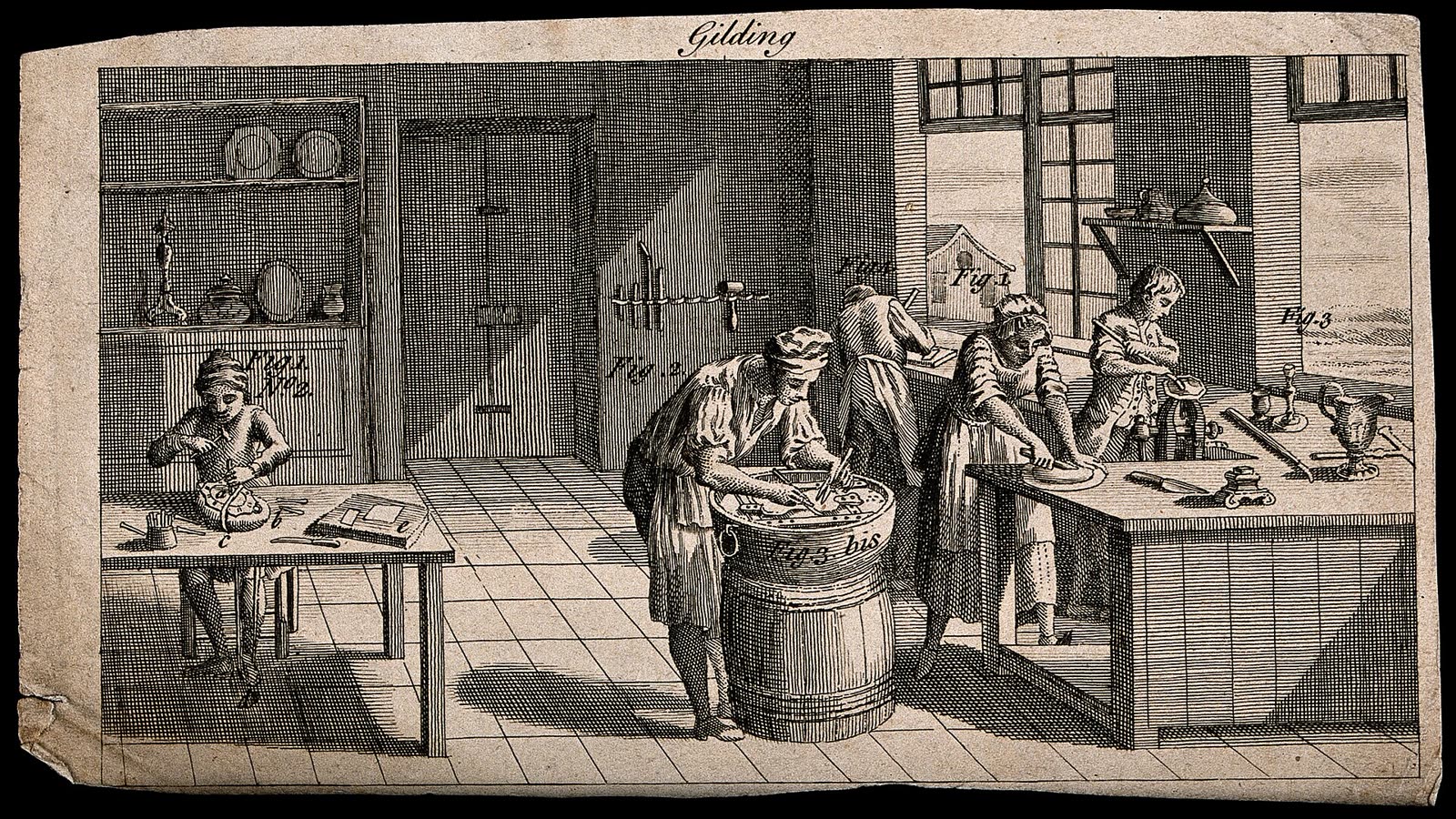
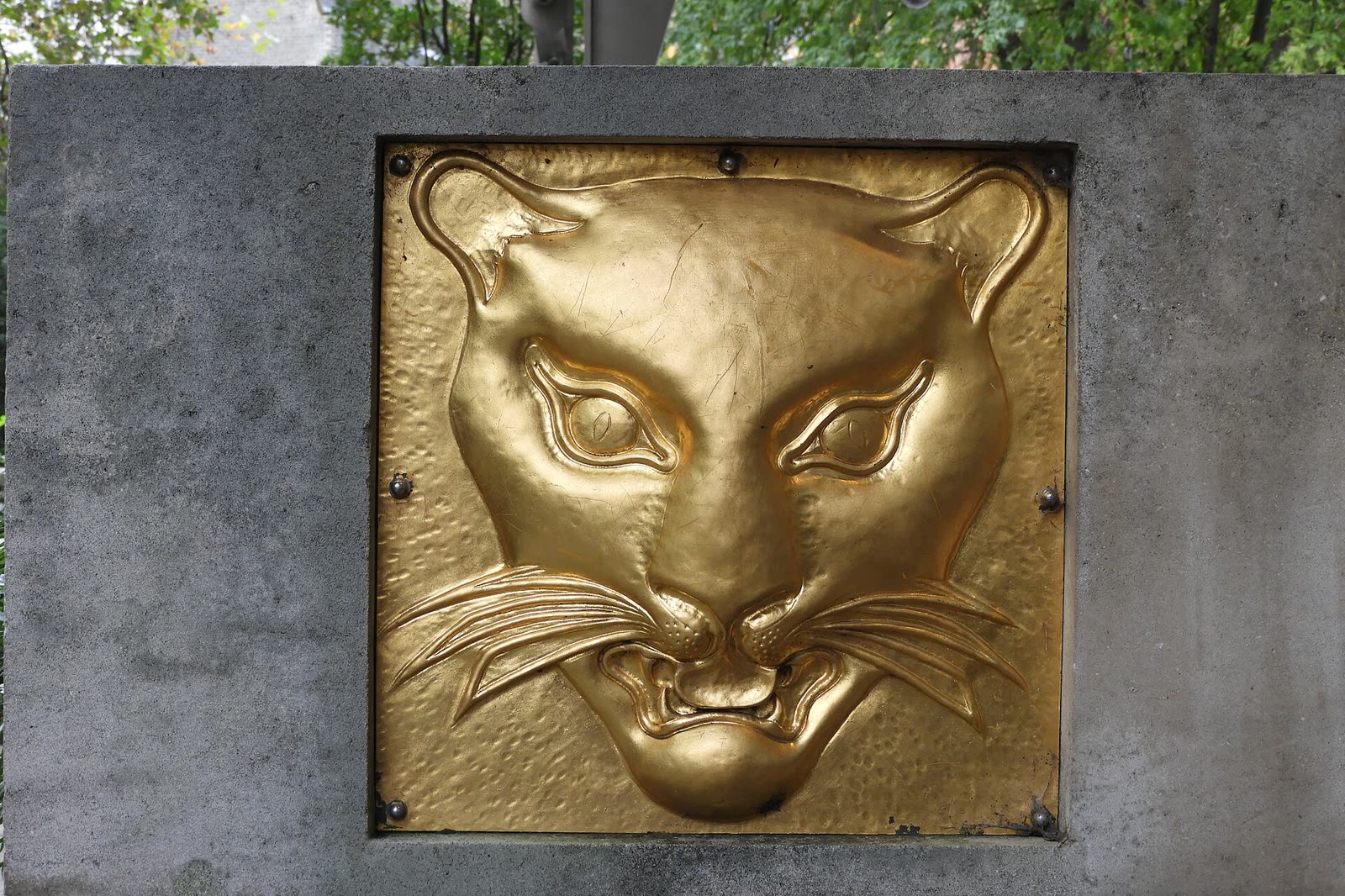
In 1300, a statute of Edward I required silver offered for sale to be at least as good as the coin of the realm: the sterling standard, 925 parts of silver in every 1,000. The wardens of the Goldsmiths' Company went from workshop to workshop testing pieces, and anything that passed was struck with a leopard's head.
In 1363 a second mark was added, the maker's own. And in 1478 the Goldsmiths' Company opened a permanent assay office at Goldsmiths' Hall in the City of London. Pieces were brought to the Hall to be tested and marked, which is the most likely origin of the word itself.
The leopard's head is still the mark of the London Assay Office. Birmingham and Sheffield were given their own offices in 1773, and today four offices test and mark precious metal in the UK: London (the leopard's head), Birmingham (an anchor), Sheffield (a rose) and Edinburgh (a castle).
The three marks that matter today
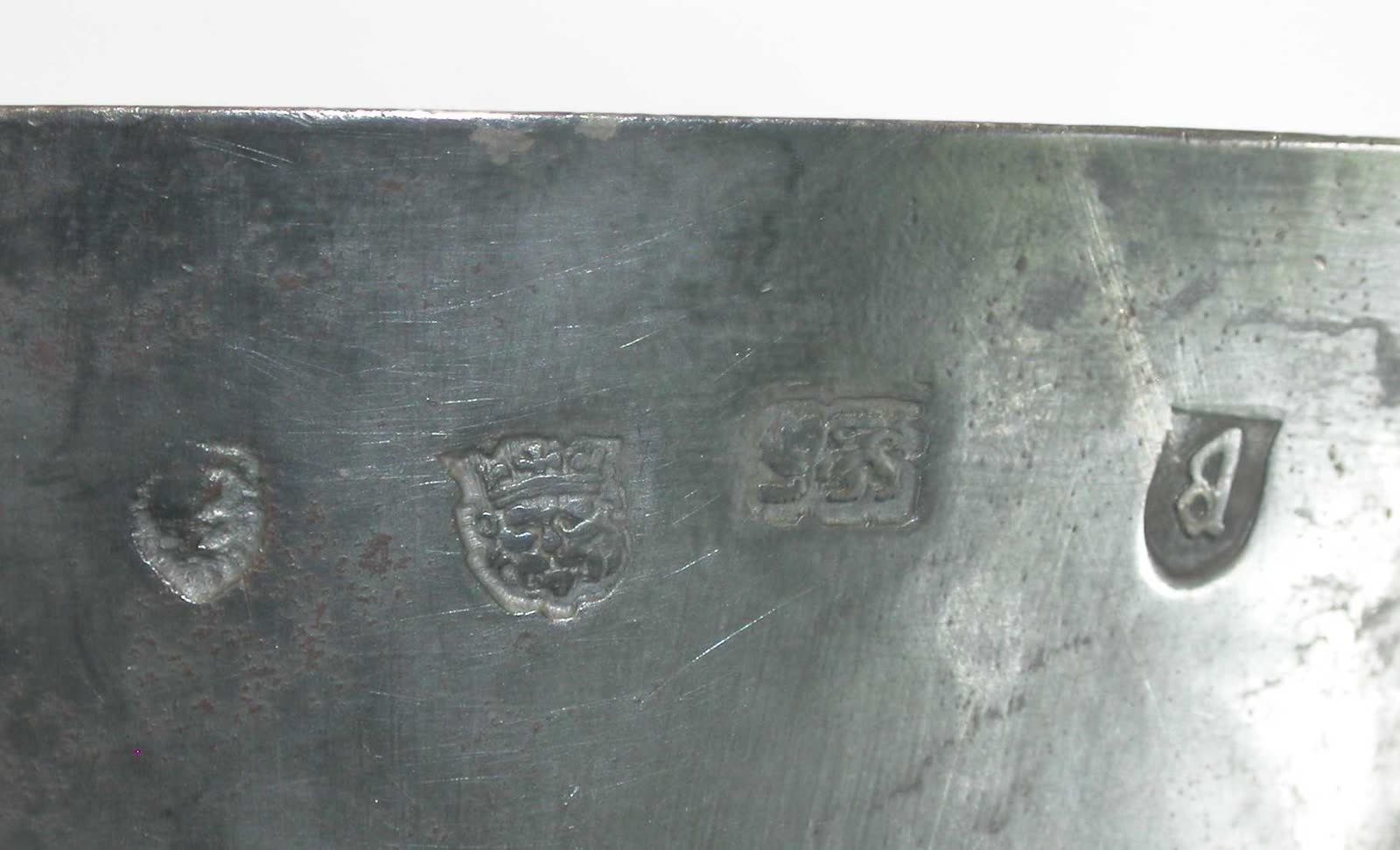
A modern UK hallmark has three compulsory parts.
- The sponsor's mark. The initials of the company or person who sent the piece to be tested, inside a shaped shield. Until recently it was called the maker's mark.
- The fineness mark. A number telling you how many parts in every thousand are the precious metal: 925 for sterling silver, 958 for Britannia silver, 375 for 9 carat gold, 750 for 18 carat. Each metal has its own shape of shield around the number.
- The assay office mark. The leopard's head, the anchor, the rose or the castle, telling you which office did the testing.
You will often see extras too. The date letter was compulsory until 1999 and is now optional. Traditional symbols, such as the lion passant for sterling silver, can be added alongside the number.
A 925 stamp on its own is a claim. A hallmark is a test.
Why 925 on its own is not the same thing
Plenty of jewellery sold in Britain carries a 925 stamp and nothing else. That number is struck by the manufacturer. It is a statement about the metal, not a test of it. A hallmark is different because someone with no interest in the sale has checked it.
The Hallmarking Act 1973 makes it an offence, in the course of business, to describe an item as silver, gold, platinum or palladium unless it carries a UK hallmark or an approved equivalent. Very light pieces are exempt. The thresholds are 7.78 grams for silver, 1 gram for gold, 1 gram for palladium and 0.5 grams for platinum.
So a silver stud weighing two grams can legally be sold as silver without a hallmark. A heavy silver chain cannot. It is also why every business selling precious-metal jewellery in the UK has to display the Dealer's Notice, an official sheet explaining what the marks mean.
How to read a mark in thirty seconds
- Find the number first. It tells you the purity: 925, 958, 375, 750 and so on.
- Look beside it for the town mark: a leopard's head, an anchor, a rose or a castle.
- Use your phone's camera at full zoom. The marks are often less than a millimetre tall.
- If there is a number but no town mark, treat it as the maker's word rather than a test.
What this means when you buy
Most stud earrings, fine rings and delicate pendants are light enough to be sold legally without a hallmark. That is perfectly fine, as long as the seller tells you plainly what the metal is. For heavier pieces described as silver or gold, a full UK hallmark is the law, and it is always worth asking to see it.